15 Nov 2026
How Provider Testing Protocols Influence Prize Mechanics Across Regional Mobile Gaming Platforms
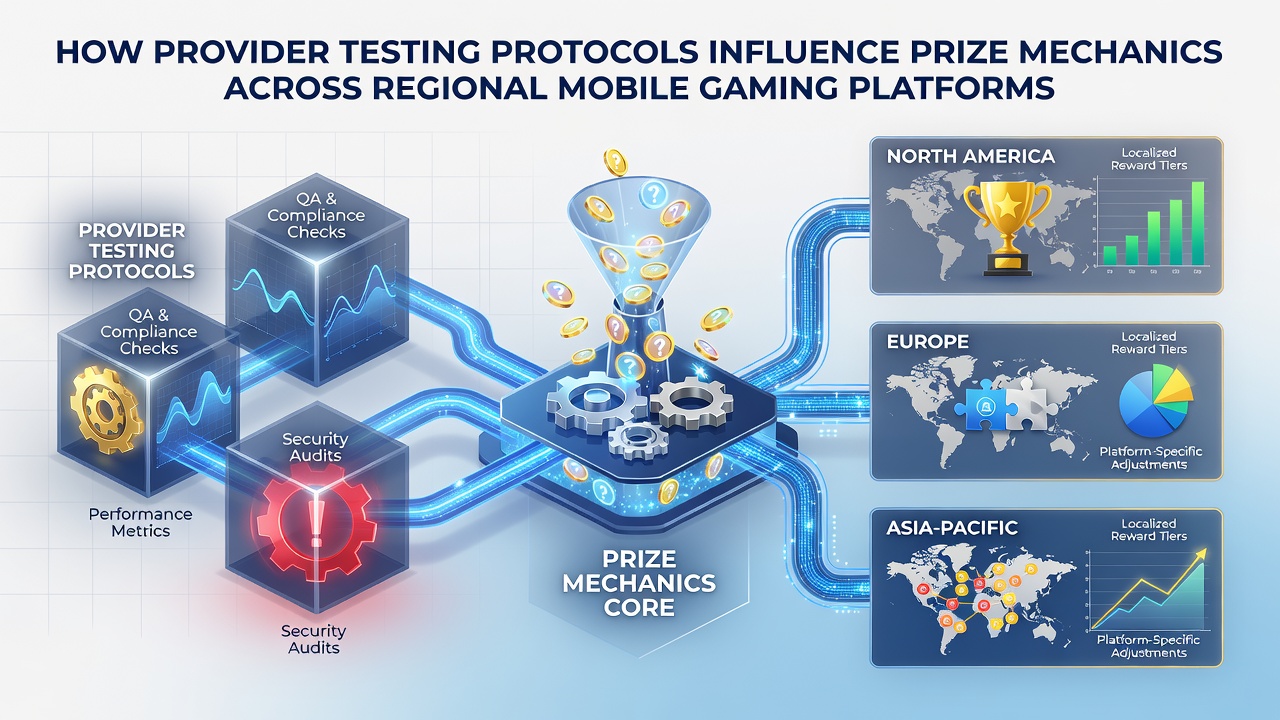
Provider testing protocols shape prize mechanics in mobile gaming by establishing verification standards that determine how random number generators allocate wins across certified platforms, and these standards vary significantly by region. Data from industry reports shows that certification bodies require specific audit frequencies, which in turn affect payout frequencies and bonus trigger rates in real-money applications.
Core Elements of Testing Protocols
Testing protocols begin with laboratory evaluations that examine source code integrity, RNG algorithms, and prize table configurations before any mobile title reaches commercial deployment. Observers note that these evaluations include millions of simulated spins to confirm statistical compliance with declared return-to-player percentages, while subsequent field testing monitors live performance data for deviations. And because protocols demand re-certification after software updates, developers must adjust prize mechanics to maintain approval across multiple jurisdictions simultaneously.
Regional Differences in Certification Requirements
Certification bodies in North America apply distinct thresholds compared with those in Europe and Asia-Pacific markets. The Nevada Gaming Control Board, for instance, mandates quarterly RNG audits that directly influence how prize pools reset in progressive mobile slots, whereas regulators in other regions impose annual reviews that allow more flexibility in bonus frequency adjustments. Researchers at institutions tracking global standards have documented how these differences create varied prize distribution patterns, with some platforms showing tighter volatility controls to satisfy stricter testing intervals.
But here's the thing: mobile platforms operating across borders must reconcile conflicting test criteria, which often results in standardized prize mechanics that default to the most rigorous regional requirements. Figures reveal that this harmonization process can delay feature rollouts by several months when providers align algorithms with multiple certification frameworks at once.
Effects on Prize Distribution and Volatility
Testing protocols influence prize mechanics through explicit controls on hit frequency and maximum win multipliers. When laboratories require extended simulation runs, developers calibrate reel strips and bonus triggers to meet statistical benchmarks, producing measurable shifts in player session outcomes. One study revealed that platforms certified under protocols with higher sample sizes tend to exhibit smoother prize curves, reducing extreme variance in short play sessions while preserving overall return percentages.
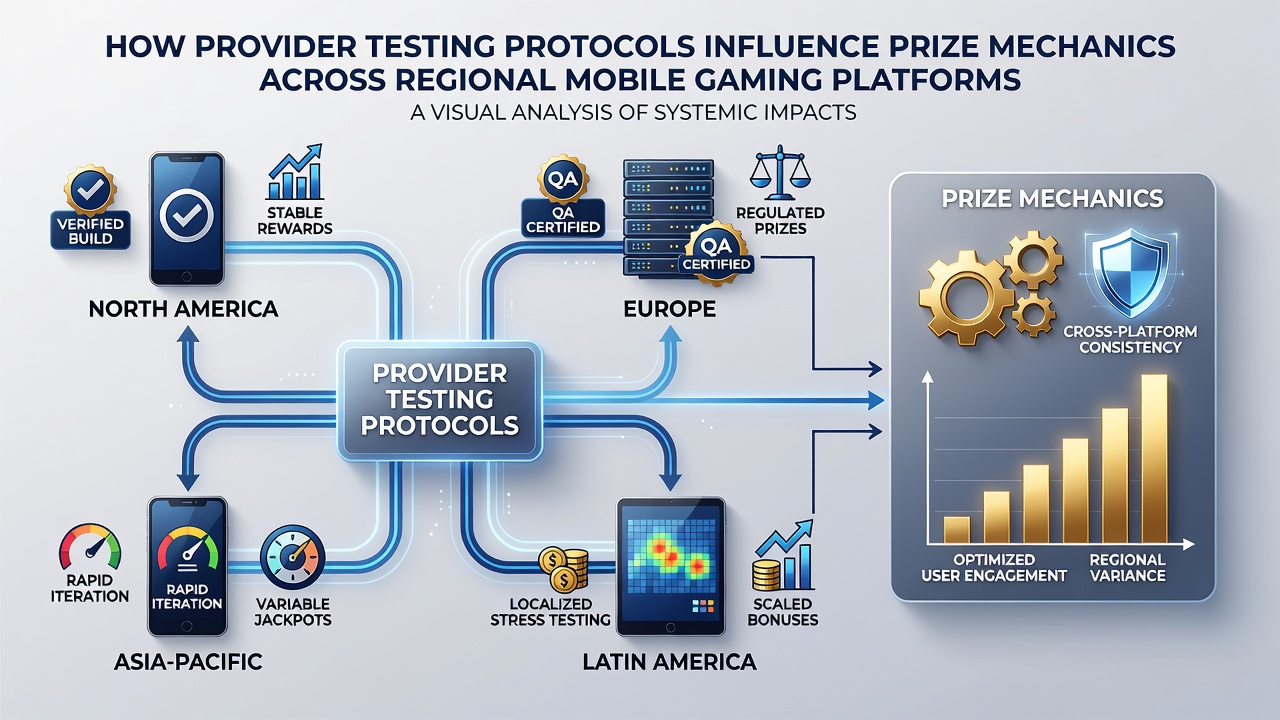
What's interesting is how mobile-specific constraints, such as battery optimization and network latency handling, intersect with these testing demands. Providers must demonstrate that prize mechanics remain consistent regardless of connection quality, prompting additional verification layers that further refine payout tables. According to reports from the Alcohol and Gaming Commission of Ontario, such requirements have led to measurable adjustments in bonus round probabilities for cross-regional titles released in late 2026.
November 2026 Developments and Ongoing Adjustments
By November 2026, several jurisdictions updated their testing frameworks to incorporate real-time monitoring tools that feed live performance data back into certification databases. These updates allow regulators to detect prize mechanic drift earlier, forcing providers to recalibrate algorithms without full re-submission cycles. Experts have observed that the change reduces downtime for mobile titles while maintaining statistical integrity across regional deployments.
Take one case where a European provider adjusted its mobile prize pool mechanics after new protocol guidelines required enhanced scrutiny of jackpot seed values. The adjustments aligned the platform with both North American and Asia-Pacific standards, resulting in unified prize tables that satisfied multiple certification bodies simultaneously.
Implications for Platform Operators and Developers
Operators who manage multi-regional mobile portfolios must maintain detailed audit trails that link testing outcomes directly to prize configuration files. Industry associations tracking these practices report that documentation burdens have increased, particularly when protocols demand proof of fairness under varying network conditions. Developers respond by embedding modular RNG components that can be tuned region-by-region without altering core game logic.
Yet the reality remains that these protocol-driven modifications affect player-facing elements such as bonus frequency notifications and win celebration sequences. Data indicates that platforms operating under unified testing regimes display more consistent prize feedback across devices, which in turn supports smoother regulatory compliance reporting.
Conclusion
Provider testing protocols continue to define the boundaries within which prize mechanics operate across regional mobile gaming platforms. Through structured laboratory evaluations, ongoing field monitoring, and jurisdiction-specific re-certification cycles, these frameworks determine how algorithms allocate wins and manage volatility. As standards evolve in November 2026 and beyond, the interplay between testing requirements and prize configurations shapes the operational landscape for developers and operators alike, ensuring statistical compliance while accommodating the technical demands of mobile environments.