4 Oct 2026
Regulatory Influences on Algorithmic Fairness in International Online Gaming Prize Mechanisms
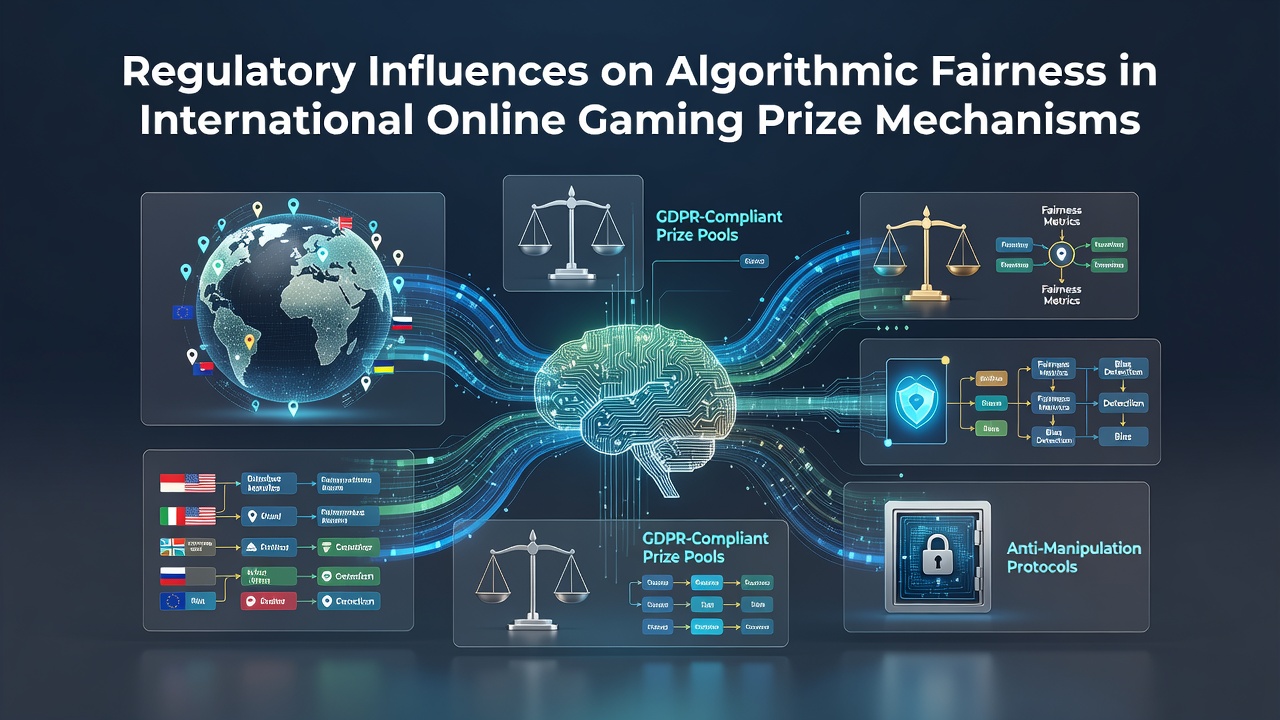
Regulatory frameworks across multiple jurisdictions shape how online gaming operators design and deploy prize allocation algorithms, with particular attention to fairness metrics that determine prize distribution in real time. Governments and oversight bodies establish requirements that operators must meet when using random number generators, probability models, and dynamic reward systems to ensure outcomes remain consistent across player demographics and geographic locations. Data released in October 2026 from cross-border compliance reviews shows that jurisdictions with explicit algorithmic audit mandates report fewer disputes over prize calculations compared to regions relying solely on post-incident investigations.
Core Regulatory Mechanisms Across Regions
European Union directives on artificial intelligence classify certain gaming algorithms as high-risk systems, which triggers mandatory transparency obligations and impact assessments before deployment. Operators must document how their prize mechanisms avoid bias in payout frequency and value, while independent auditors verify compliance through statistical sampling and code reviews. Canadian provincial regulators, including those in Ontario and British Columbia, impose similar testing protocols that require operators to demonstrate equitable prize distribution across different user segments without favoring specific account types or play patterns.
Australian authorities coordinate through the Australian Communications and Media Authority to enforce standards that address both land-based and online prize systems, focusing on algorithmic integrity in progressive jackpot networks and bonus round triggers. These rules require operators to maintain logs that regulators can access during routine examinations, and they link directly to licensing renewals. Observers note that such layered requirements create consistent benchmarks even when games operate across national borders through shared platforms.
Impact on Prize Calculation and Distribution
Algorithmic fairness provisions influence how prize pools accumulate and how individual wins are determined in multiplayer formats. Regulators often mandate that operators publish expected return percentages derived from audited simulations, which forces adjustments to weighting factors within the code. When rules require periodic re-testing after software updates, developers incorporate fairness constraints from the initial design phase rather than retrofitting them later. This approach reduces instances where prize mechanisms produce statistically improbable streaks that trigger player complaints or regulatory scrutiny.
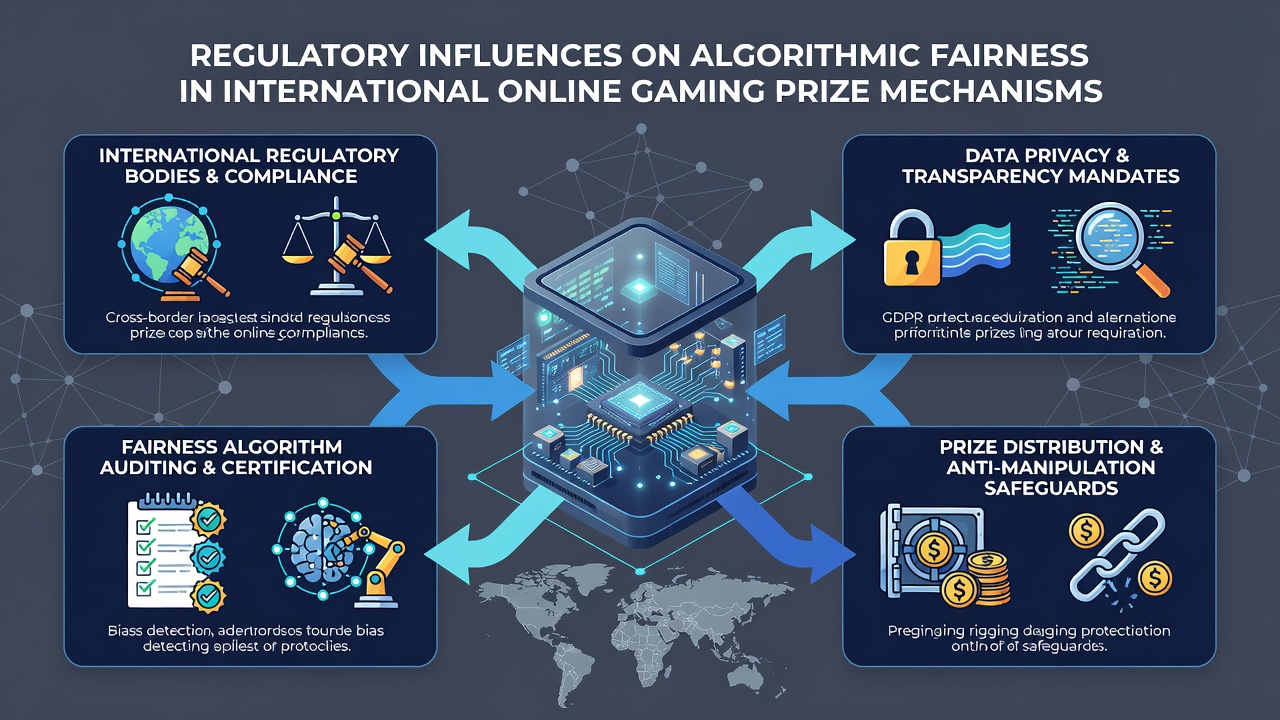
International cooperation agreements allow regulators to share audit findings and technical specifications, which streamlines oversight for operators licensed in multiple markets. For example, a single third-party laboratory report can satisfy requirements in both EU member states and Canadian provinces when the testing protocols align. Data from industry reports indicate that these harmonized processes shorten approval timelines while maintaining rigorous standards for prize mechanism validation.
Technical Standards and Compliance Practices
Regulators increasingly require operators to implement real-time monitoring tools that flag deviations from expected fairness parameters during live operations. These systems track metrics such as prize frequency by player cohort and geographic region, then generate alerts when patterns suggest potential bias. Compliance teams review the alerts and submit corrective action plans that detail code modifications or parameter adjustments. Academic studies on gaming algorithms highlight how such monitoring reduces variance in outcomes without altering the underlying randomness of the systems.
Operators also face requirements to provide players with accessible explanations of how prize mechanisms function, including details on contribution rates to pooled prizes and eligibility criteria. This transparency obligation extends to mobile and desktop interfaces, where regulators examine user-facing language for accuracy. When updates occur in October 2026 compliance cycles, several major platforms introduced simplified payout summaries that satisfy both regulatory text and player comprehension standards.
Cross-Border Challenges and Emerging Practices
Operators managing prize mechanisms across jurisdictions encounter differing definitions of fairness, which necessitates modular code architecture that can accommodate region-specific rules. Some markets require explicit weighting against certain player behaviors, while others focus solely on statistical parity. Industry associations facilitate working groups that map these variations and develop template compliance frameworks. Research institutions contribute by publishing comparative analyses that help operators anticipate regulatory shifts before they take effect.
One study revealed that platforms adopting unified auditing pipelines across borders achieved faster certification in new markets, because prior test results carried over when protocols matched. Those who've studied this know the process still demands local validation, yet the shared documentation reduces duplication of effort. External links to authoritative sources provide further detail on these standards, including guidance from the European Commission AI framework and reports from the Canadian regulatory bodies on digital gaming oversight.
Conclusion
Regulatory influences continue to drive refinements in how online gaming prize mechanisms achieve and demonstrate algorithmic fairness across international markets. Operators respond by embedding compliance checkpoints into development workflows and maintaining detailed audit trails that satisfy multiple oversight bodies simultaneously. As testing protocols evolve and data sharing expands, the technical and procedural requirements create a more uniform baseline for prize distribution regardless of player location.